


Website Development Company in Dubai for Fast, Lead-Ready Websites
Zenerom plans and builds corporate websites, WordPress platforms, ecommerce stores and custom digital products for UAE businesses. Every project starts with the customer journey, then connects design, development, search visibility and enquiry tracking into one practical build.
A website should make the next decision easier.
Most business websites do not fail because they lack animation. They fail because visitors cannot quickly understand the offer, find evidence, compare services or choose a sensible next step. On mobile, those weaknesses become even more obvious.
We address that before development begins. The navigation reflects how customers look for information. Important pages carry enough detail to answer real questions. Proof appears near the claims it supports, while forms, calls and WhatsApp actions are prepared for measurement.
Content is part of that work, not something to pour into finished templates at the end. We agree which pages need to be written, migrated or translated, who supplies technical facts and who approves them. That keeps the design grounded in real information and reduces late changes that weaken the mobile layout.
Clear service positioning
Each page explains one useful offer, the audience it serves and the action a serious buyer can take.
Mobile-first decisions
Layouts, menus, forms and media are checked at the sizes UAE customers actually use.
Proof in the right place
Case studies, team expertise and project evidence support the decision instead of sitting on isolated pages.
Useful measurement
Analytics events show which services and contact paths are producing enquiries after launch.
A website development company in Dubai should choose the right build for the job.
A five-page corporate site and a customer portal should not share the same technical plan. We recommend the simplest platform that can support the required content, workflows, integrations and future updates.
Corporate websites
Service-led websites for UAE companies that need stronger credibility, clearer pages and dependable enquiry routes.
Explore corporate websitesWordPress and CMS
Reusable page sections, practical publishing controls and roles that let marketing teams work without editing code.
Explore CMS developmentEcommerce websites
Product and category structures, payments, checkout confidence and tracking designed around how customers buy.
Explore ecommerce developmentLanding pages
Focused pages for Google Ads, social campaigns, launches and lead generation, with fewer distractions and clear actions.
Explore landing pagesStatic websites
Lean, fast-loading builds for smaller information sites that do not require frequent editorial updates.
Explore static websitesPlugin development
Purpose-built WordPress functionality for integrations and workflows that reliable existing plugins cannot cover.
Explore plugin developmentCustomer portals
Secure account areas, role-based dashboards and operational tools connected to the way your team serves customers.
Explore customer portalsWebsite redesigns
Rebuilds that improve the experience while protecting useful URLs, analytics history and existing search visibility.
Explore responsive redesignsReady for marketing, operations and ownership.
A responsive website is only one part of the brief. The finished platform should be maintainable, understandable to search engines and connected to the tools used by your sales or operations team.
When a standard CMS covers those needs, we will not recommend a custom application. Custom web development is appropriate when the project genuinely requires account logic, complex data, private workflows or integrations that an off-the-shelf setup cannot manage cleanly.
Flexible layouts, readable contrast, usable controls and keyboard-aware interactions.
Crawlable navigation, clean headings, metadata support and intentional internal links.
Compressed media, sensible components, caching and measured Core Web Vitals work.
Appropriate access, backups, tested updates and fewer unnecessary dependencies.
GA4, Tag Manager and agreed lead events, with CRM or API connections where needed.
Language architecture and RTL requirements planned before templates are developed.

A website development process with clear decisions.
Discovery
We clarify the business goals, audiences, services, content ownership, integrations and enquiry targets.
UX and architecture
We map navigation, page hierarchy, wireframes, conversion routes and English or Arabic requirements.
Design and development
Approved layouts become responsive templates, CMS components and tested functionality.
Quality assurance
We check browsers, devices, forms, permissions, redirects, metadata, tracking and important user journeys.
Launch and support
The site moves through a controlled release, followed by monitoring, handover and agreed maintenance.
Page count, content readiness, design depth, languages, ecommerce, integrations, migrations and custom workflows.
Deliverables, approvals, responsibilities, platform, milestones, exclusions and support are written into the scope.
The project should leave your team in control.
A launch is successful when the website works in production and the people responsible for it know what they own, how it is measured and where to go when something changes.
An editable content system
Templates and reusable sections are organised around the content your team will actually update. Administrator access, publishing roles and essential licences are recorded, while training can cover routine page, service and blog changes. The goal is sensible independence, not a website that requires a developer for every sentence.
Measurement that starts on day one
Agreed forms, calls, WhatsApp clicks, purchases or booking actions are checked before release. Analytics and Tag Manager access stay with the business, with event names documented so marketing teams can compare organic search, paid campaigns and referral traffic without rebuilding the tracking later.
A documented launch
Domains, hosting, backups, redirects, integrations and third-party accounts should not live only in someone’s memory. The handover records the important access and technical decisions, along with the maintenance responsibilities needed to keep the website reliable as content, plugins and business requirements change.
Dubai-led delivery for teams across the Emirates.
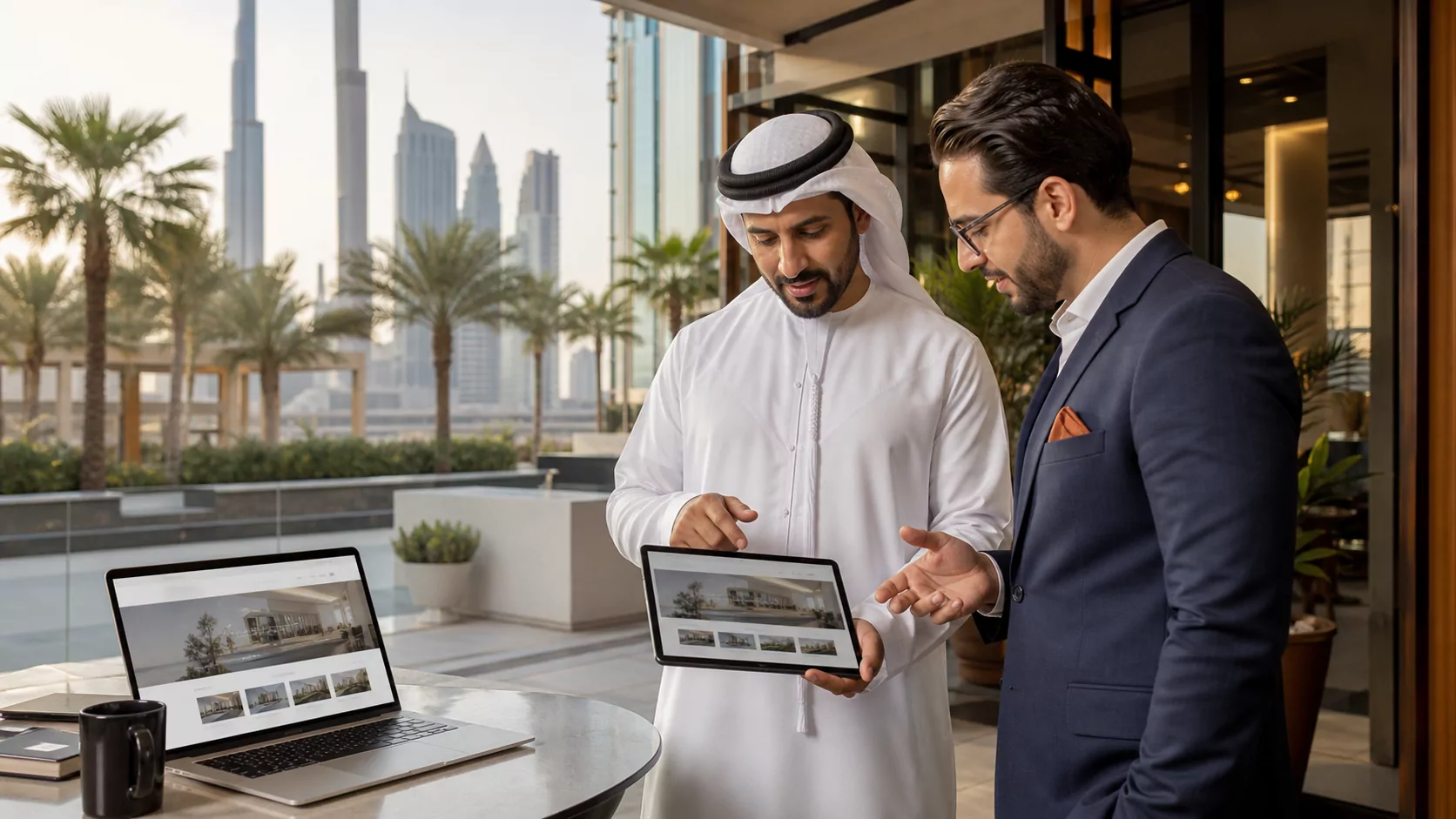
Zenerom works with founders, marketing teams and established organisations in Dubai and across the UAE. Workshops and reviews can combine in-person meetings with structured remote collaboration, so decisions, files and approvals remain visible to everyone involved.
Real platforms built for different buying decisions.
The result is not always a numerical headline. In these projects, the verified work is the structure delivered: clearer technical information, stronger trust, better product discovery and more useful paths to contact.
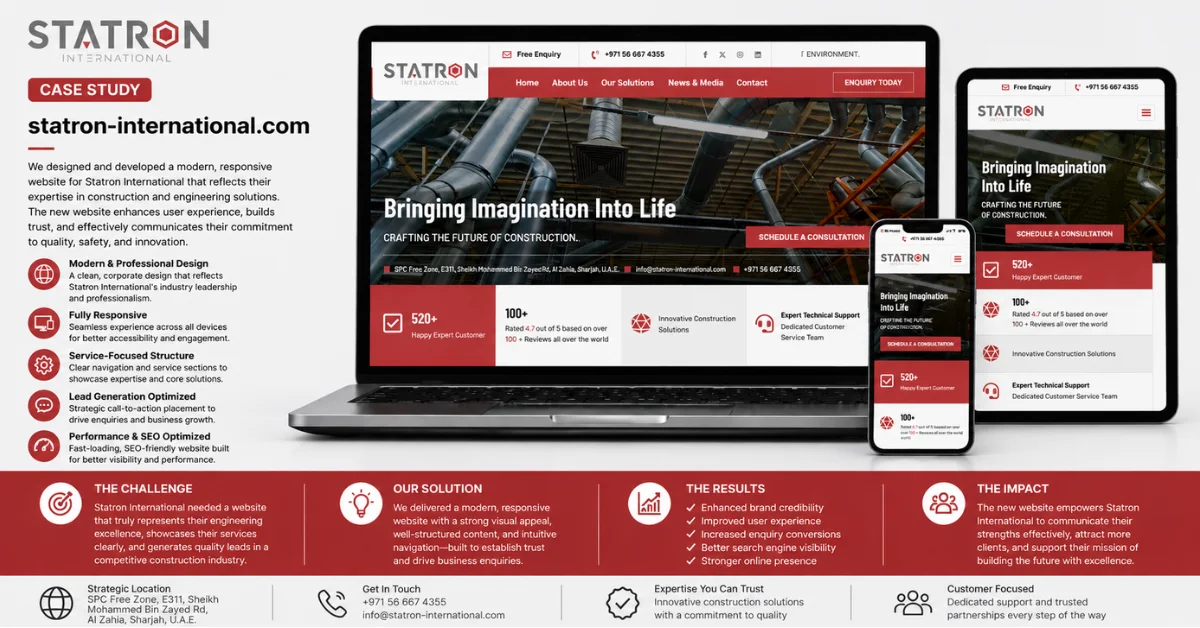

Statron Middle East
Industrial websiteComplex power systems and sector expertise were organised into a credible B2B platform for technical decision-makers.
Outcome: clearer product and industry communication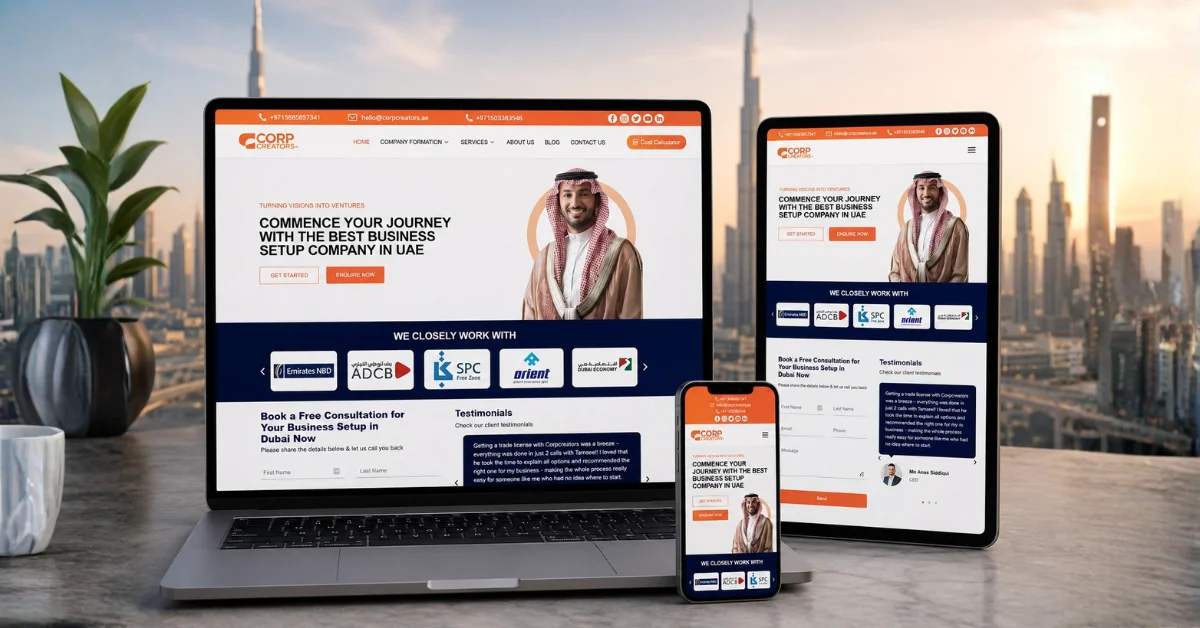

Corp Creators Dubai
Corporate servicesCompany-formation services were shaped into a professional WordPress website with clearer trust and enquiry routes.
Outcome: a stronger consultation journey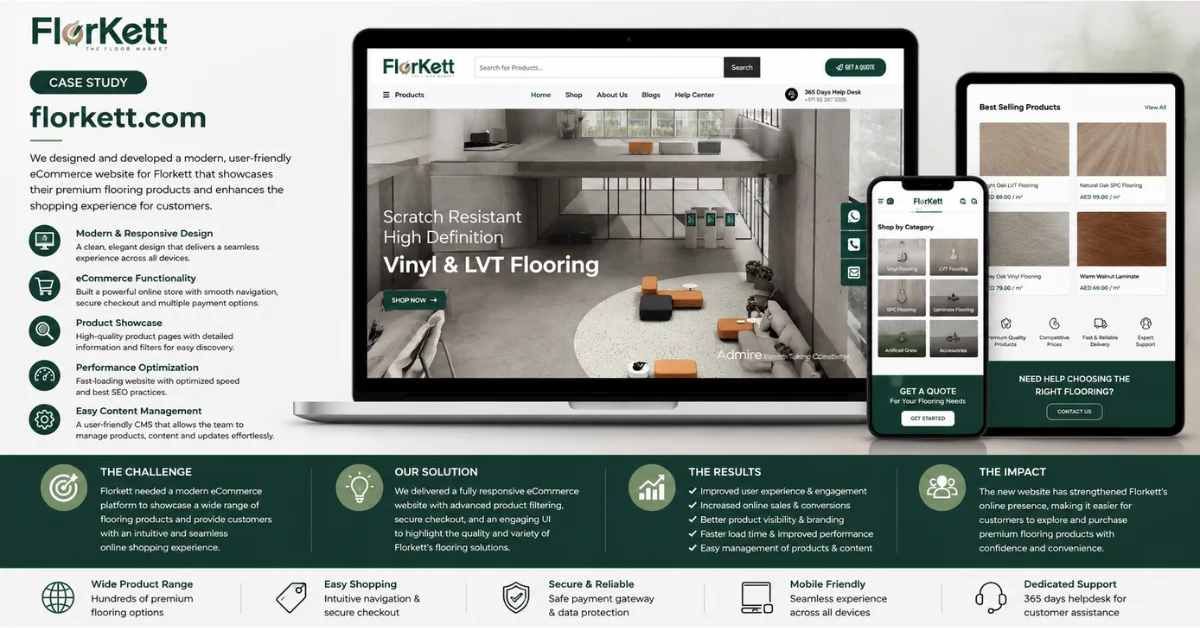

Florkett UAE
Product discoveryExtensive flooring options became a visual digital marketplace for homeowners, architects and project teams.
Outcome: easier product exploration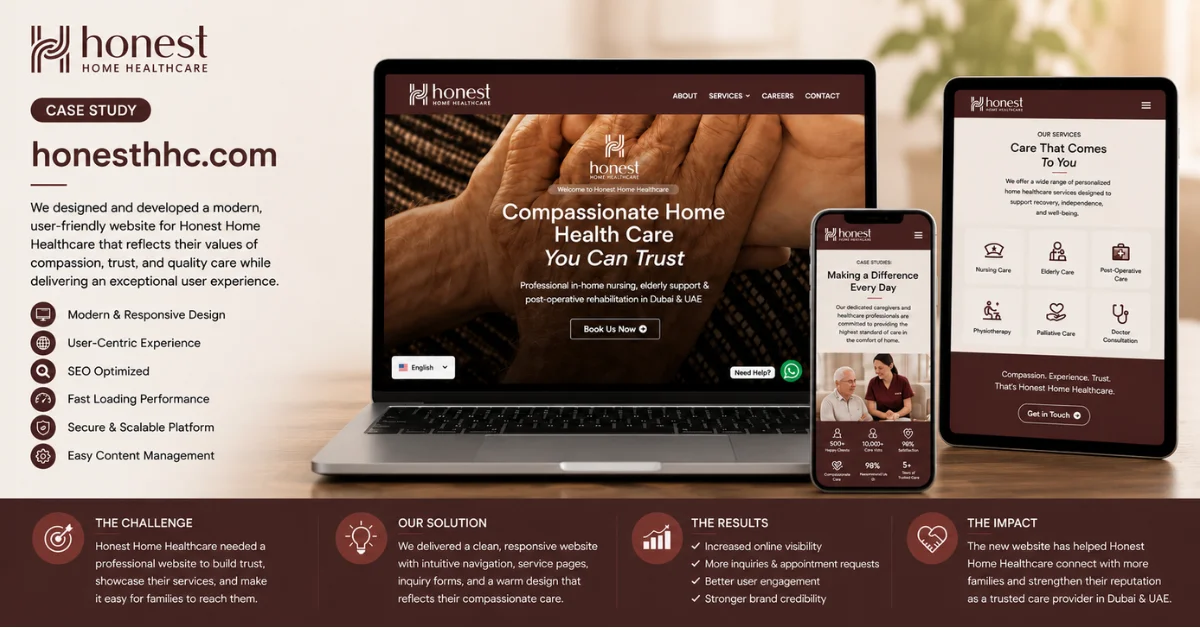

Honest Home Health Care
Healthcare websiteCare services were presented around safety, compassion and immediate confidence for families making sensitive decisions.
Outcome: a more reassuring patient journeyTechnical ownership from architecture to launch.
The project team changes with the scope, but technical direction, responsive implementation and application logic remain connected throughout delivery.

Roy
Chief Technology OfficerProvides technical direction, reviews architecture and helps the team resolve decisions that affect reliability, integrations and long-term maintenance.

Arya
Web DeveloperBuilds responsive interfaces and CMS components, with close attention to clean functionality, mobile behaviour and the details users meet on every page.

Hashir
Application DeveloperSupports custom workflows, application functionality and integrations when a website needs more than standard content and contact features.
What clients report about the work.
Nikhil describes the engagement as an absolute pleasure and values the time, effort and positive energy the team contributed to his businesses.
Treesa highlights the team’s professional expertise across website development, SEO analysis and the delivery of high-quality web solutions.
Christy describes Zenerom as an experienced web development company that delivered good-quality work at an economical cost.
Review summaries are based on attributable public feedback on Trustpilot. The Google rating links separately to the Zenerom Google review record. No review or aggregate-rating schema is used.
Website development questions from Dubai businesses.
How much does website development cost in Dubai?
Cost depends on the page count, content readiness, design depth, languages, ecommerce features, integrations, migration work and custom functionality. Zenerom confirms the scope, responsibilities and investment before development begins. For deeper pricing guidance, see our website design cost guide.
How long does it take to build a website?
A focused business website can often be completed in several weeks, while ecommerce, multilingual and custom platform work takes longer. The schedule also depends on content, feedback and approval turnaround, so milestones are agreed after discovery.
Which platform should we use?
WordPress or another established CMS is usually appropriate when content flexibility is the main need. Ecommerce platforms suit product businesses, while a custom application is justified when the project requires private workflows, complex permissions, integrations or specialised data handling.
Will the website be ready for SEO?
The build can include crawlable navigation, logical headings, editable metadata, internal links, structured content, image optimisation and mobile performance work. These foundations support SEO, but rankings also depend on competition, content quality, authority and ongoing optimisation.
Can you build English and Arabic websites?
Yes. Language folders, translation responsibilities, navigation, typography and right-to-left layouts should be planned before design approval. This prevents Arabic from becoming an awkward addition after the main templates are complete.
Will we own the website and content?
Ownership, licences, hosting access, source files and third-party accounts are documented in the project scope. CMS training and administrator access can be included so the internal team is not dependent on a developer for routine changes.
Do you provide maintenance and hosting support?
Maintenance can cover updates, backups, monitoring, security checks and small technical improvements. Hosting recommendations depend on the platform, expected traffic, data requirements and the level of support your team needs.
Can an existing website be redesigned without losing SEO?
Yes, provided valuable URLs, metadata, content, internal links, analytics and redirect requirements are audited before launch. Redesign migrations need a clear URL map and post-launch checks rather than simply replacing the old website.
Can you connect forms, CRM or payment systems?
Yes. Common projects include CRM connections, payment gateways, booking tools, email platforms, analytics and custom APIs. The integration method, access requirements and failure handling are confirmed during technical discovery.
What should we prepare before the first meeting?
Bring the current website, service list, target audiences, examples you like, required integrations and the business actions the new site should generate. Unfinished content is not a blocker, but knowing who owns it helps produce a realistic schedule.
Build a website your customers and team can actually use.
Share the current site or project brief. We will review the structure, content, technical requirements and enquiry journey before recommending the platform and next steps.